






Our Oceans
Restoring balance, protecting life
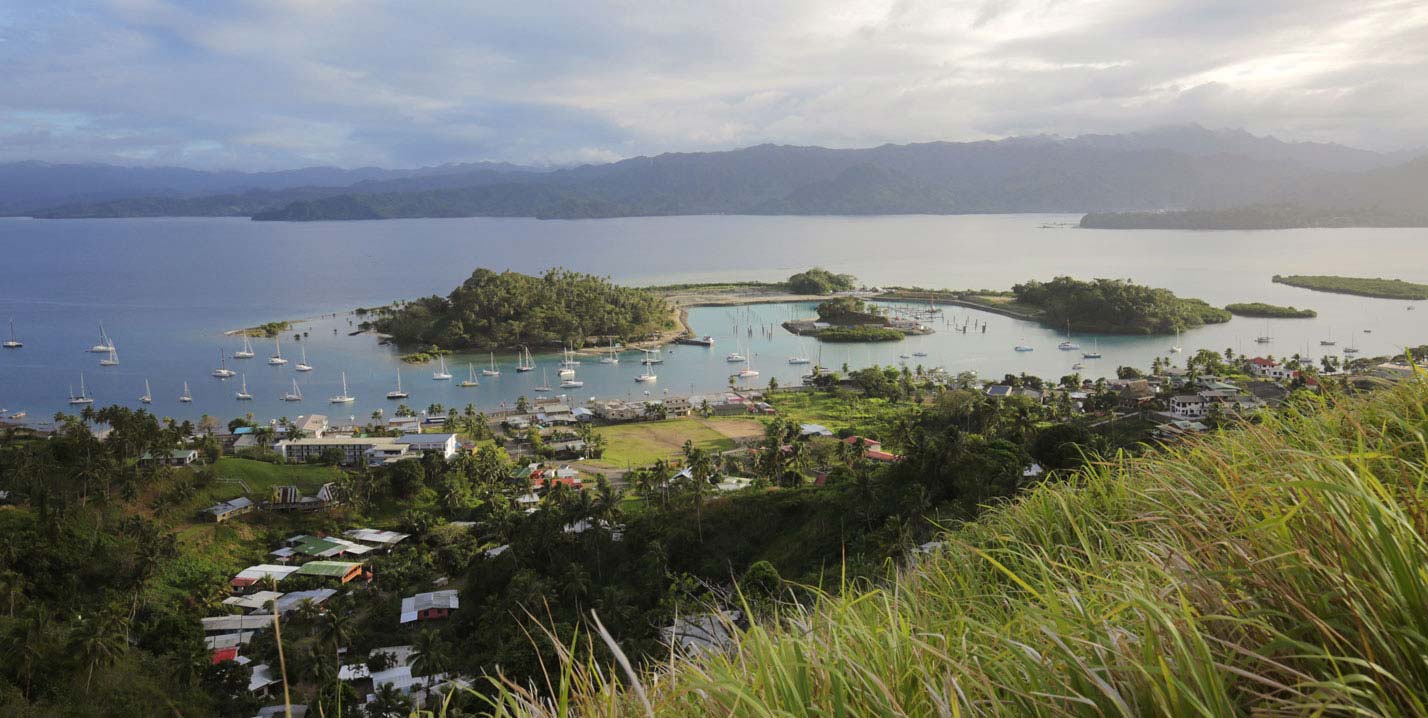
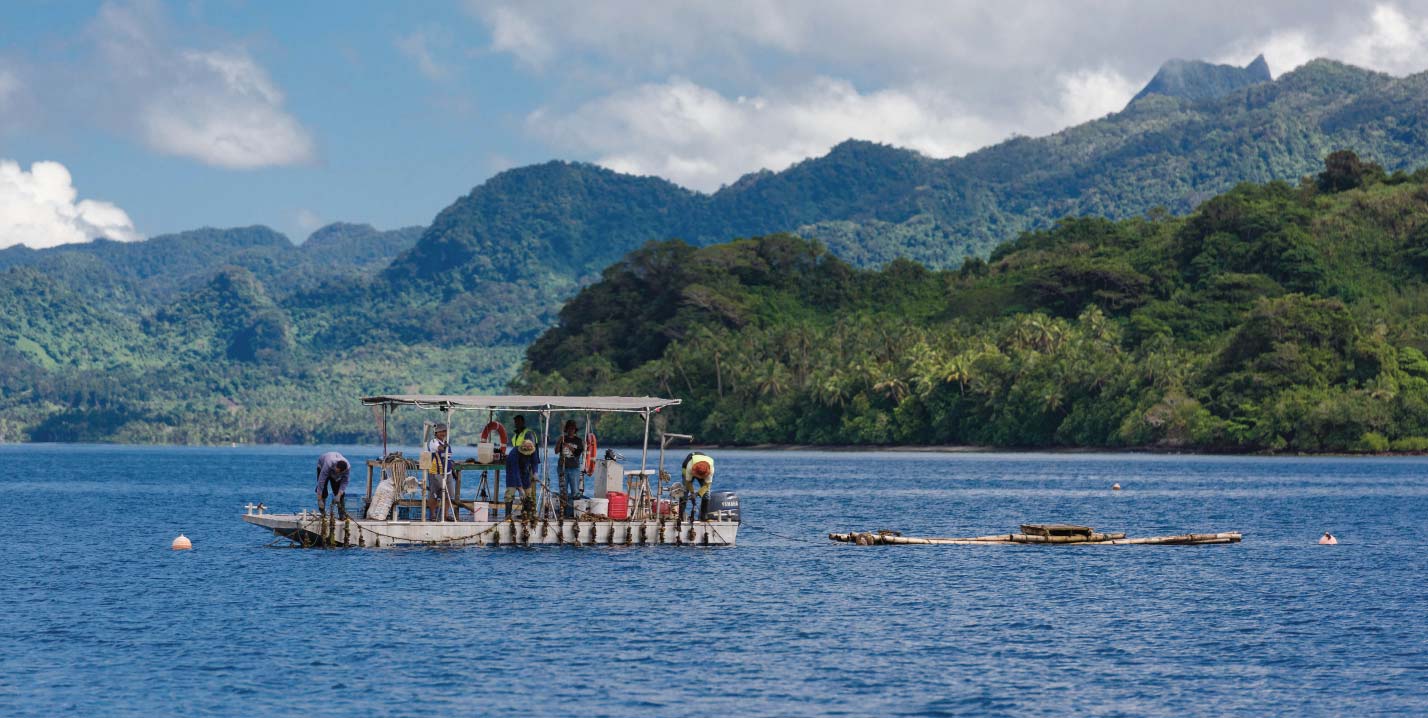
The Fiji Pearl Oyster project begins in the waters of Savusavu Bay, where each oyster nurtured contributes to the health of the sea around it. These calm, volcanic waters are becoming the birthplace of a new approach to ocean care. One that links livelihood with restoration. Through partnerships between local communities, government, science, and conservation, this initiative is building a model for how nature-based aquaculture can bring the ocean back to balance while sustaining those who depend on it most.
Shared stewardship for Savusavu
Savusavu’s coastline has faced years of shifting seas, powerful cyclones, and declining fish stocks. The Fiji Pearl Oyster project offers a new layer of resilience. Healthier reefs and clearer water strengthen the natural barriers that protect the bay, while aquaculture provides families with a path toward sustainable livelihoods. By creating income that depends on clean, healthy waters, the project reduces the pressure that poverty places on the reef and encourages communities to protect what sustains them. Supported by the Wildlife Conservation Society (WCS Fiji) and the Ministry of Fisheries, together with our wider conservation partners, this work connects local care with national priorities for sustainable marine management and ocean resilience.







Water quality and ocean health
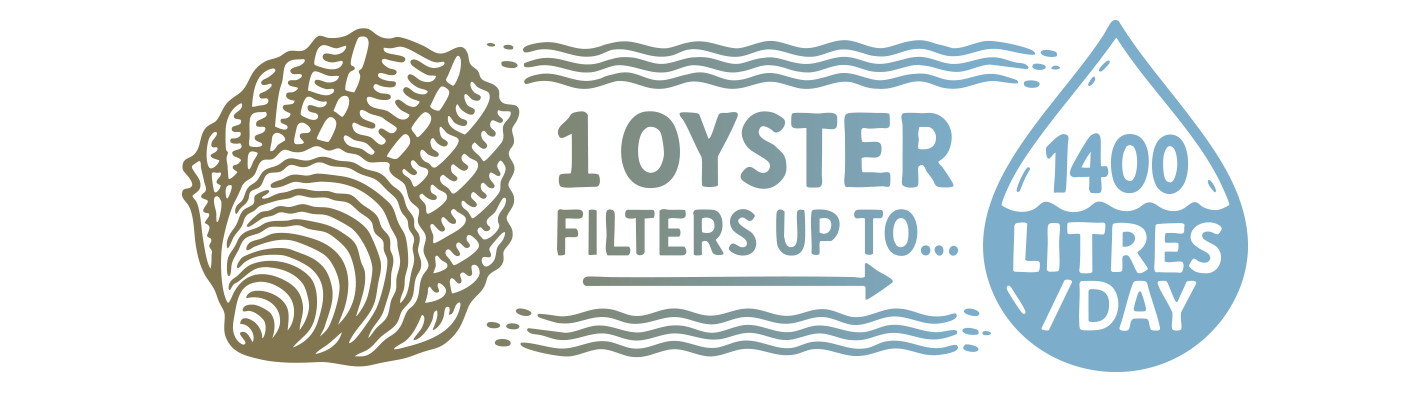
Oysters are natural custodians of the ocean. A single Pinctada margaritifera, the Fiji black-lip pearl oyster, filters over 1,400 litres of seawater each day, one of the highest rates recorded among bivalves. As they feed, they remove excess nutrients, sediments and impurities, helping coral, seagrass and mangrove ecosystems thrive.
Fiji’s pearl oysters feed entirely on what the currents bring. Their health reflects the water quality around them. As oyster lines grow across Savusavu Bay, the water clears more quickly, and the bay’s natural systems respond. This exchange of care between people and sea defines the Fiji Pearl Oyster Project, where the ocean gives life to the oysters, and the oysters give life back to the ocean.
Habitats for Life
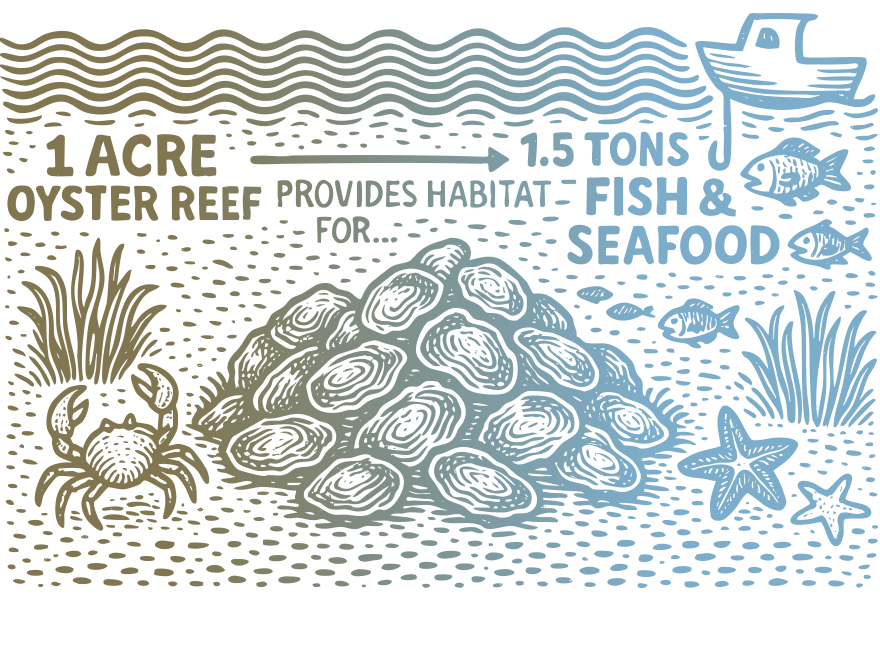
The lines that hold the oysters are becoming living structures. Fish shelter among them, corals and sea plants begin to grow, and biodiversity gathers once more. As a keystone species, the Fiji pearl oyster filters and cleans the water, stores carbon within its shell, and creates reef-like nurseries that support young marine life. These new habitats strengthen nearby fisheries and create safe breeding grounds that help restore what has been lost. A successful oyster farm nourishes far more than its crop. It rebuilds the foundation for marine life to thrive. For the communities around the bay, every oyster line represents both a livelihood and a lasting promise of renewal.
The kidneys of the ocean
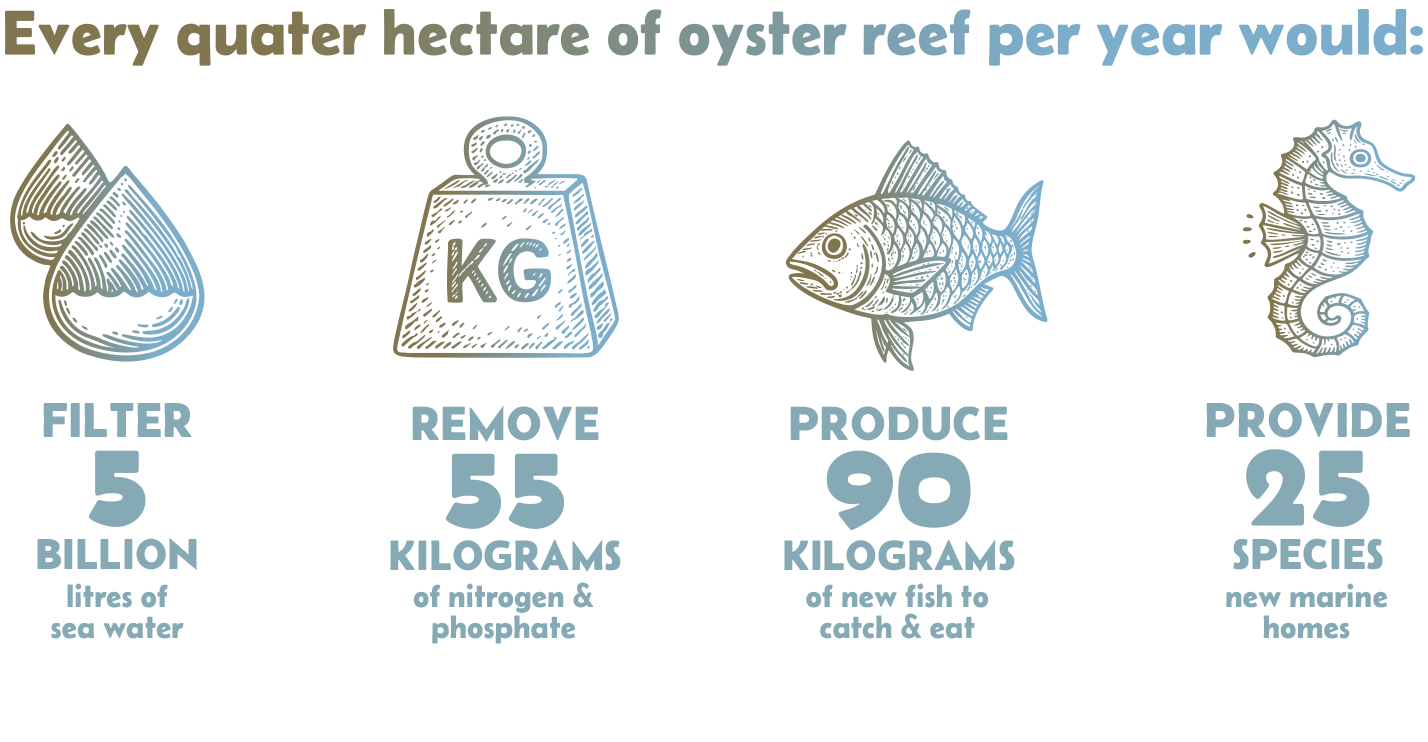
Oysters quietly filter and clean the water around them, improving the health of the entire bay. Each community farm can filter hundreds of millions of litres of seawater every year, removing excess nutrients and supporting new marine life. As these reefs grow, they capture carbon in their shells and create thriving habitats for fish, sea plants, and coral. A thriving oyster population is a sign of ocean health, while their decline warns of pollution or stress in the ecosystem. A healthy oyster farm strengthens the reef itself, turning the ocean into a more balanced, self-renewing system. For Fiji, where communities live so closely with the sea, this gentle cycle brings hope, resilience, and stability in a changing climate.
A Model for the Blue Economy
The Fiji Pearl Oyster project is guided by collaboration, with every oyster farm in Savusavu a reflection of trust between people, place, and the ocean. Together they ensure that the waters of Fiji remain clear, abundant, and alive for generations to come. The Fiji Pearl Oyster project stands as an example of how nurturing life, rather than extracting from it, allows the blue economy to grow through stewardship, respect, and care. It offers a long-term path where livelihoods depend on sustaining ecosystems, proving that the wellbeing of people and the health of the planet can move forward together.